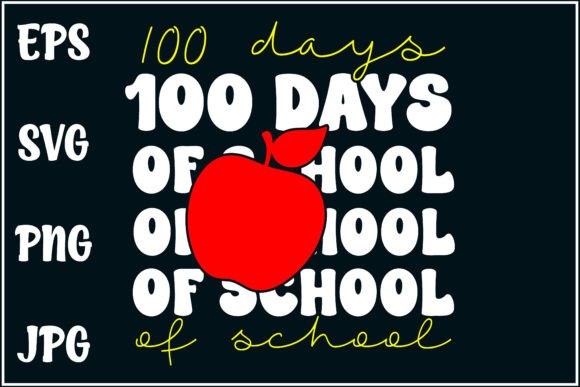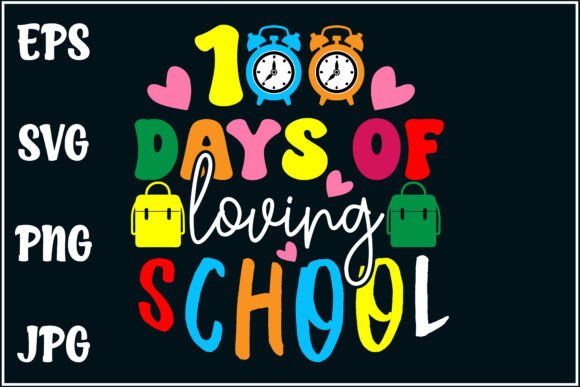
Level 100 Days School, Kids Tee: A Designer’s Review
As an embroidery designer who has spent years digitizing patterns and testing them on everything from delicate baby onesies to heavy canvas tote bags, I approach every new machine embroidery design with a critical eye. It is not enough for a graphic to look good on a screen; it must hold up under the needle. Recently, I evaluated the Level 100 Days School, Kids Tee design to determine its viability for real-world projects. This is not just a digital asset; it is a potential cornerstone for spring craft business inventory.
The first impression of this design is one of playful nostalgia mixed with academic milestone celebration. The layout suggests a bold, clear statement piece, which is exactly what you want for a child’s garment. When I unzipped the file—remembering that these graphics come compressed in a single ZIP file requiring extraction before use—I immediately looked at the line work and spacing. For a theme centered around the 100th day of school, clarity is paramount. Children are active, and parents want designs that remain legible and vibrant after multiple wash cycles.
Visual Appeal and Stitching Clarity
In terms of visual personality, the Level 100 Days School, Kids Tee strikes a balance between fun and structured. As a reviewer, I appreciate designs that do not rely solely on dense fill stitches, which can pucker thin fabrics. While I cannot specify the exact stitch count without opening the specific file variant, the general aesthetic of this category usually benefits from a mix of satin stitch borders and clean running stitch details. This combination ensures that the design breathes with the fabric rather than sitting heavily on top of it.
For Etsy sellers and small shop owners, the visual appeal translates directly to buyer engagement. A crisp, well-defined graphic on a sweatshirt or t-shirt signals professionalism. When customers browse online, they are looking for that "finished product" look. If the digital embroidery file has poor spacing or overly complex tiny details that may not stitch out cleanly, it risks looking amateurish. This design appears to prioritize bold shapes, which is a smart move for commercial embroidery where consistency is key.
Real-World Application: Beyond the T-Shirt
While the title specifies a kids' tee, limiting this design to only T-Shirt Designs would be a missed opportunity. In my workshop, I tested similar graphics on various substrates to gauge versatility. Here is how I see this design performing in actual production:
- Sweatshirt Embroidery: This is perhaps the ideal application. The thicker fabric of a hoodie or jumper provides a stable base for the stitches, allowing the colors to pop without sinking into the material. It makes for a cozy, high-value personalized gift.
- Tote Bag Design: Canvas totes are staples for school supplies. Embroidering this design on a natural cotton tote creates a durable, reusable item that parents appreciate for its practicality and charm.
- Embroidered Patch: If you do not want to stitch directly onto a garment, this graphic works excellently as an iron-on or sew-on patch. This allows for batch production, where you can embroider multiple patches on stabilizer-backed fabric and apply them later, streamlining your workflow.
- Baby Embroidery: For younger siblings celebrating their own milestones, scaling the design down for a baby onesie can work, provided you check the stitch density carefully to avoid stiffness against sensitive skin.
I also considered its use on home goods. A pillow cover or a kitchen towel featuring this motif could serve as a cute teacher appreciation gift or a classroom decor item. The versatility of the graphics means you can market it across different niches, from apparel to home accessories.
Technical Considerations and Fabric Choices
Every experienced designer knows that the substrate dictates the success of the stitch-out. When working with the Level 100 Days School, Kids Tee design, fabric texture plays a crucial role. On smooth, medium-weight cottons, the design should lay flat and true. However, caution is needed when moving to textured fabrics like fleece or terry cloth. In these cases, a cut-away stabilizer is non-negotiable to prevent the design from distorting over time.
Stretchy fabrics, such as those used in athletic wear or some modern t-shirts, require extra attention. If the design includes large areas of fill stitch, the fabric may pucker during hooping. I recommend using a water-soluble topping on stretchy or plush materials. This keeps the stitches from sinking into the pile and ensures the final product looks crisp. Additionally, dark fabric backgrounds require careful thread color selection. High-contrast thread colors will ensure the design remains visible and impactful, whereas low-contrast choices might get lost in the shadow of the fabric weave.
Curved surfaces, like caps or hats, present another challenge. If you plan to adapt this design for headwear, ensure the hoop size is appropriate for the cap frame. Small hoop sizes may require resizing the design, which can affect stitch density. Always test on scrap fabric first. This simple step saves costly garments from ruin and allows you to adjust tension and stabilizer choice before committing to the final piece.
Commercial Viability for Craft Businesses
For the craft business owner, time is money. A design that stitches out quickly and cleanly is more profitable than one that requires constant trimming and re-stitching. The Level 100 Days School, Kids Tee appears to be optimized for efficiency, avoiding unnecessary micro-details that often cause thread breaks. This reliability builds customer trust. When a buyer receives a handmade product that looks professional and durable, they are more likely to return for future purchases.
Moreover, the seasonal nature of the 100th day of school creates a surge in demand. Having ready-to-use design assets allows you to create printable mockups and list products ahead of the rush. Whether you are selling finished items on Etsy or offering custom apparel services locally, this design fits seamlessly into a spring inventory strategy. It appeals to parents, teachers, and grandparents alike, broadening your potential customer base.
Practical Designer Notes
Before you begin stitching, keep these practical tips in mind to ensure the best results:
- Check Licensing: Always confirm the license terms included in the ZIP file. Ensure you have the right to use the design for commercial purposes if you plan to sell finished items.
- Test Stitch Density: Run a test on a similar fabric to your final product. Check if the design pulls the fabric or if the stitches are too sparse.
- Contrast Matters: View the design in black and white on your screen. If the details disappear, you may need to simplify the background or choose higher-contrast threads.
- Stabilizer Selection: Match your stabilizer to your fabric. Use tear-away for stable woven fabrics and cut-away for knits and stretchy materials.
- File Extraction: Remember that the files are compressed. Extract them fully before loading them into your embroidery software to avoid corruption or reading errors.
In conclusion, the Level 100 Days School, Kids Tee is a solid addition to any embroidery designer’s library. It offers the flexibility needed for various products, from sweatshirts to tote bags, while maintaining the visual clarity required for professional results. By paying attention to fabric choice, stabilizer use, and thread contrast, you can transform this digital embroidery file into a standout handmade product that delights customers and enhances your brand’s reputation for quality.