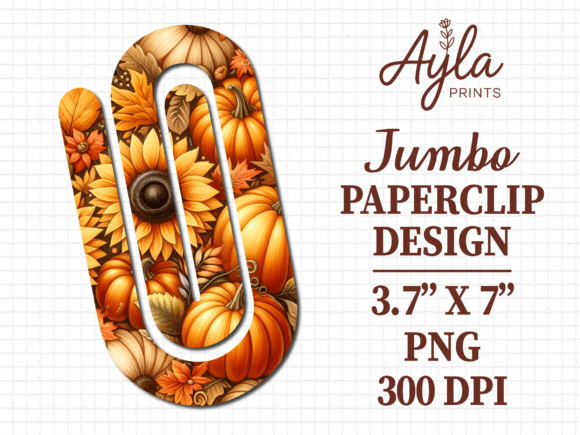
Review: Autumn Fall Leaves Jumbo Paperclip PNG
As a designer who spends more time staring at stitch simulations than I do sleeping, I have learned to be skeptical of digital assets that promise versatility without delivering clarity. When I first pulled up the Autumn Fall Leaves Jumbo Paperclip PNG, my initial reaction was one of cautious curiosity. The concept is charming—merging the utilitarian shape of a jumbo paperclip with the organic, warm aesthetics of autumn foliage. It is a clever juxtaposition that speaks directly to the current trend of "cozy office" or "studious fall" vibes that dominate seasonal crafting.
However, charm does not always translate to stitchability. My job is to determine if this graphic holds up when translated from a screen to fabric, specifically for those of us running small craft businesses or creating personalized gifts. Here is my practical breakdown of how this design performs in real-world embroidery scenarios.
First Impressions and Visual Mood
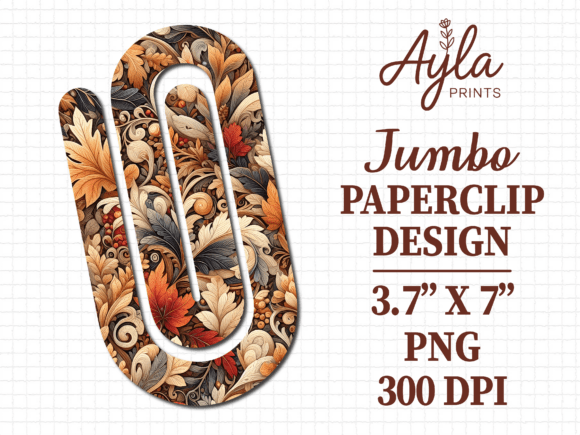
The visual personality of the Autumn Fall Leaves Jumbo Paperclip PNG is undeniably warm. The layout balances the rigid, metallic curve of the paperclip with the soft, irregular edges of falling leaves. For an embroidery designer, this contrast is both a blessing and a challenge. The mood it creates is nostalgic and academic, making it an ideal candidate for back-to-school promotions, teacher appreciation gifts, or late-year holiday merchandise.
What stands out immediately is the detail level. The leaves are not just generic shapes; they carry enough visual weight to suggest texture. In a machine embroidery design, this translates to a need for careful color planning. If you are using this as a sublimation transfer before embroidering over it, or if you are using it as a reference for digitizing your own embroidery file, the separation between the leaf veins and the background is crucial. The design feels substantial, suggesting it would look best on medium-to-heavy weight fabrics where the details won’t get lost in the weave.
Real-World Application: The Tote Bag Test
To truly evaluate a design, you must imagine it on a finished product. I visualized this asset applied to a canvas tote bag design. Canvas is a forgiving fabric, but it has a distinct texture. The approximate size of 3.7 by 7 inches is significant. On a standard tote, this placement would likely sit centrally or slightly off-center for a modern look.
In this scenario, the Autumn Fall Leaves Jumbo Paperclip PNG shines. The length of the paperclip allows for a vertical orientation that elongates the visual line of the bag, while the leaves provide bursts of color—burnt orange, mustard yellow, and deep red—that pop against natural cotton or denim. For an Etsy seller, this is a high-value item. It moves beyond simple monograms into themed art, which often commands a higher price point. Customers looking for a personalized gift for a librarian, teacher, or writer would find this imagery instantly recognizable and emotionally resonant.
Apparel and Custom Sweatshirts
Moving from accessories to apparel, let’s consider sweatshirt embroidery. A crewneck sweatshirt provides a large, stable canvas. However, here we encounter the first practical hurdle. The design is provided as a PNG, which is a raster image. If you are sublimating this onto polyester blends, the 3.7x7 inch resolution needs to be checked for pixelation at 300 DPI. If you are using this PNG as a template to create a digitized applique design or a standard satin and fill stitch pattern, the clarity is excellent.
For a custom apparel piece, I would recommend placing this on the upper left chest or as a larger back print. On the chest, the 3.7-inch width might feel slightly bulky depending on the garment size, so scaling down might be necessary. If scaled down, the tiny details of the leaves could merge. Therefore, this design is best suited for larger placements where the stitch density can breathe. It would also work beautifully on the back of a varsity-style jacket, serving as a focal point that doesn’t require excessive filling, keeping the garment flexible.
Technical Considerations for Embroiderers
While the aesthetic is strong, the technical execution requires attention. Since the product description specifies these are PNGs for sublimation or digital use, rather than native embroidery files like PES or DST, you must consider how this translates to the needle.
- Fabric Texture: On textured fabrics like terry cloth towels or fuzzy fleece, fine details in the leaves may disappear. This design is better suited for smooth cotton, poly-cotton blends, or canvas.
- Stabilizer Choice: Given the potential size (up to 7 inches tall), a cut-away stabilizer is recommended for stretchy fabrics like t-shirts to prevent puckering. For woven fabrics like aprons or pillow covers, a tear-away may suffice, but test first.
- Thread Colors: The success of this design relies heavily on thread colors. You need high contrast between the paperclip (likely silver, gold, or black) and the leaves. Avoid using similar shades for adjacent elements, or the design will look muddy.
- Hoop Size: Ensure your machine can accommodate a hoop large enough for the 7-inch height. A 5x7 hoop might be too small unless you rotate the design, which might look awkward given the paperclip’s orientation. A 6x10 or 8x8 hoop would be ideal.
Where to Use Caution
Not every project is a good fit. I would advise against using this specific layout on caps or curved surfaces without significant modification. The flat, wide nature of the paperclip does not conform well to the crown of a hat, and the leaves might distort near the seams. Similarly, avoid using this on baby embroidery items like onesies unless you scale it down significantly and simplify the stitch count to keep it soft against sensitive skin. Dense stitching on a small baby garment can be uncomfortable and stiff.
Additionally, be mindful of dark fabric. If you are digitizing this from the PNG, you will need to add a white underlay or background fill if the paperclip is meant to be light-colored. Without this, the design will vanish into black or navy fleece.
Commercial Value and Branding
For small shop product lines, consistency is key. The Autumn Fall Leaves Jumbo Paperclip PNG offers a professional, curated look that elevates brand perception. It feels intentional, not clip-art-ish. When used in printable mockup previews for your online store, it demonstrates a keen eye for seasonal trends. Buyers engage more with designs that tell a story, and this design whispers "autumn study session" or "fall organization," which are powerful marketing angles.
Before selling any finished product, always confirm the licensing terms. Since this is a digital download within the Crafts and Graphics category, ensure that commercial use is permitted for physical goods. Most designers allow this, but verifying protects your business.
Final Designer Notes
My advice is to treat this PNG as a high-quality reference or sublimation source. If you are an embroiderer, use it to trace your digitizing path. Check the stitch density in your software to ensure the leaves don’t become too heavy. Test on scrap fabric first. Compare how it looks on light versus dark backgrounds. If you are a sublimation printer, ensure your heat press settings are calibrated for the fabric type to prevent color bleeding, which would ruin the crisp edges of the paperclip.
In conclusion, the Autumn Fall Leaves Jumbo Paperclip PNG is a versatile, mood-rich asset. It bridges the gap between functional office supplies and seasonal decor, making it a smart addition to your design assets library. With proper technical handling regarding hoop size, stabilizer, and thread choice, it can produce stunning, sellable handmade products that customers will love to gift and keep.