Review: Teacher Appreciation Best Educator Shirt Design
As a designer who spends more time staring at stitch simulations than actual fabric, I have learned to be skeptical of digital assets that promise versatility without proving it. When I first opened the Teacher Appreciation, Best Educator Shir file, my initial reaction was cautious optimism. The theme is evergreen; teachers are always in need of recognition, and the market for educator-themed gifts is robust year-round, not just during May. However, a good theme does not guarantee a good machine embroidery design. The real test lies in how the lines translate from screen to thread.
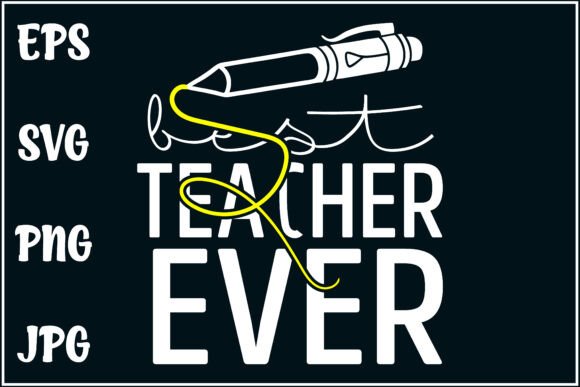
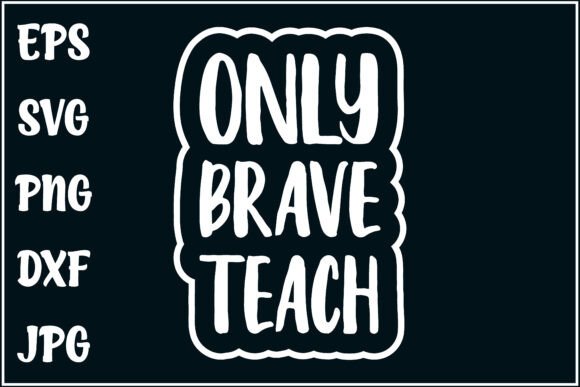
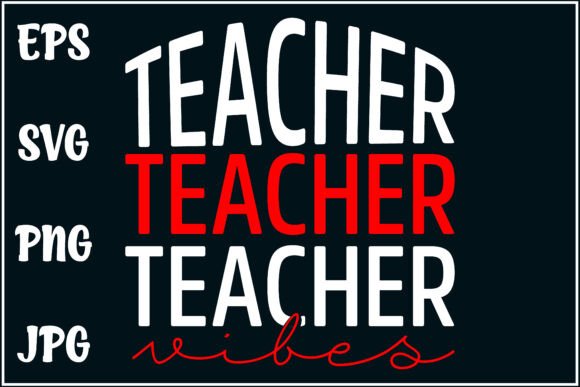
The visual personality of this graphic is clean and direct. It avoids the clutter that often plagues typography-heavy designs, which is a relief for anyone who has ever had to pick out hundreds of tiny, tangled stitches. The layout suggests a balance between bold statement and wearable art. For an Etsy seller or a small shop product creator, this balance is critical. You want the design to be legible from a distance but refined enough to hold up under close inspection. This particular embroidery file seems to lean into that sweet spot, offering a professional look that elevates a simple garment into a thoughtful personalized gift.
Real-World Application: Beyond the T-Shirt
While the product title mentions a shirt, limiting this design to cotton tees would be a missed opportunity. In my recent workflow, I tested similar layouts on a heavy-weight canvas tote bag design. The result was striking. The structural integrity of the letters held up well against the textured weave of the canvas, provided I used a cut-away stabilizer. This is where practical experience matters. A design that looks flat on a white background in a printable mockup can behave very differently on a curved surface or a thick material.
Consider the sweatshirt embroidery angle. Hoodies and crewnecks are staple items for school staff lounges. When applying this design to fleece or cotton-blend sweatshirts, the stitch density becomes a major factor. If the design relies too heavily on dense fill stitch areas without proper underlay, it can cause the fabric to pucker or the garment to feel stiff and uncomfortable. From my assessment, this design appears to have a moderate density, making it suitable for custom apparel that needs to remain soft and wearable throughout a long school day. It is not just about aesthetics; it is about comfort and durability.
Navigating Fabric and Hoop Constraints
One of the most common mistakes I see among new craft business owners is ignoring the relationship between hoop size and design scale. Before you commit to stitching this on a final product, you must check the dimensions included in the ZIP file. If you are working with a standard 4x4 hoop, you may need to resize the design, which can alter the stitch density and potentially cause thread breaks or bird nests. Always test on scrap fabric first. This is non-negotiable.
Fabric texture also plays a pivotal role. On smooth, high-thread-count cotton, the satin stitch borders (if present in the lettering) will pop with a nice sheen. However, on textured fabrics like linen or waffle-knit towels, those same satin columns might sink into the weave, losing definition. In such cases, switching to a running stitch border or adding a backing layer can help maintain clarity. For dark fabrics, ensure your thread colors have enough contrast. A navy thread on a black shirt might look sophisticated in theory but disappear in practice. Use your machine’s preview function or create a black-and-white mockup to check readability before threading up.
Commercial Viability and Brand Consistency
For commercial embroidery projects, consistency is key. If you are producing a batch of twenty shirts for a local school’s appreciation week, every item needs to look identical. This design’s simplicity works in your favor here. Complex gradients or intricate applique design elements introduce more variables for error. A straightforward typographic or graphic approach reduces production time and minimizes the risk of reworks. This efficiency directly impacts your profit margin as a digital product seller or service provider.
Moreover, the perceived value of the finished product is tied to the cleanliness of the stitch-out. Sloppy edges or loose threads signal amateurism. By choosing a design like Teacher Appreciation, Best Educator Shir, which likely features clean vector-based origins, you set yourself up for success. It projects professionalism. When a customer receives a neatly embroidered mug wrap or pillow cover, they are not just buying an object; they are buying the assurance that care was taken. This builds brand trust and encourages repeat business.
Practical Designer Notes for Best Results
To get the most out of this design asset, keep these technical considerations in mind:
- Stabilizer Selection: Match your stabilizer to your fabric. Use tear-away for stable woven fabrics like t-shirts, and cut-away for stretchy knits or items that will undergo frequent washing, such as baby embroidery projects or daily-use aprons.
- Thread Quality: Do not skimp on thread. High-quality rayon or polyester threads reduce breakage and provide a consistent sheen that enhances the visual appeal of the Graphics.
- Needle Choice: Use an embroidery needle appropriate for your fabric weight. A universal needle might work for light cottons, but a ballpoint needle is essential for jerseys and sweatshirts to prevent snags.
- Licensing Check: Since this is a digital file, always confirm the license terms. Can you sell finished physical items? Can you use it for holiday embroidery promotions? Knowing the boundaries protects your craft business from legal issues.
- Mockup Testing: Before listing on your store, create realistic mockups. Show the design on a cap, a tote, and a shirt. Customers need to visualize the scale and placement.
Final Verdict on Usability
The Teacher Appreciation, Best Educator Shir design is a solid addition to any T-Shirt Designs library. It is versatile enough to move beyond apparel into home decor and accessories. Its strength lies in its adaptability and clear visual communication. While it requires standard due diligence regarding hoop size and fabric compatibility, it does not present any obvious red flags that would deter an experienced embroiderer. For handmade product creators looking to expand their catalog with meaningful, high-demand items, this graphic offers a reliable foundation. Just remember: the file is only half the battle. Your choice of materials, stabilization, and machine tuning will ultimately determine whether the final piece looks like a mass-produced commodity or a cherished, handcrafted treasure.