Reviewing School Time, Learning Shirt for Embroidery
As a designer who has spent countless hours digitizing patterns and testing them on various machines, I approach every new machine embroidery design with a critical eye. It is not just about whether the image looks cute on a screen; it is about how those digital lines translate into thread, tension, and texture on actual fabric. Recently, I evaluated the School Time, Learning Shirt design to determine its viability for real-world projects. This is not a generic promotional overview but a practical assessment for embroidery designers, Etsy sellers, and craft business owners who need to know if this asset will hold up under the needle.
First Impressions and Visual Personality
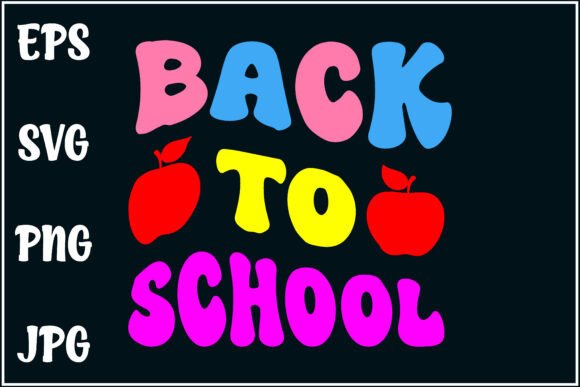
The initial appeal of School Time, Learning Shirt lies in its thematic clarity. The design captures the nostalgic and energetic spirit of education, making it an immediate candidate for back-to-school collections. Visually, the layout appears balanced, avoiding the clutter that often plagues themed graphics. For a designer, this spacing is crucial. It suggests that the digitizer considered stitch flow, which is essential for maintaining clean lines without excessive thread breaks or jumps.
The mood created by this graphic is cheerful yet structured. It does not rely on overly complex shading that might require dense fill stitch work, which can sometimes pucker lightweight fabrics. Instead, the visual personality leans toward bold, recognizable shapes. This makes it versatile. Whether you are creating a personalized gift for a teacher or a batch of merchandise for a small shop product line, the design communicates its message instantly. In the world of T-Shirt Designs and Graphics, clarity is king, and this design delivers that upfront.
Real-World Application: The Sweatshirt Test
To truly understand the value of an embroidery file, you must imagine it on a specific substrate. I visualized this design applied to a heather grey crewneck sweatshirt. This is a common request for custom apparel businesses during the late summer rush. The School Time, Learning Shirt motif sits comfortably on the chest or as a larger centerpiece on the back. Because sweatshirts have a thicker, more forgiving fabric texture, they can handle a moderate amount of stitch density without showing the backing material.
In this scenario, the design performs well as a statement piece. It transforms a basic garment into a handmade product with perceived value. For an Etsy seller, this translates to higher price points. Customers are not just buying a sweatshirt; they are buying a curated, thoughtful item that celebrates learning. The design’s adaptability means it could also work on a canvas tote bag design, where the sturdy fabric supports the weight of the threads, ensuring the finished product remains durable through daily use.
Considerations for Smaller Items and Delicate Fabrics
While the design shines on heavier garments, caution is required when scaling it down. If you plan to use this for baby embroidery on onesies or bibs, you must scrutinize the details. Tiny lettering or intricate corners can become lost or bulky if the hoop size is too small relative to the design complexity. I recommend testing the design on scrap fabric first, specifically using a cut-away stabilizer to prevent distortion on stretchy knits.
For items like caps or curved surfaces, the layout needs careful positioning. A design that looks flat on a monitor can warp when stitched onto a rounded crown. If you are creating an embroidered patch to be ironed on later, ensure the edges are cleanly defined with a proper satin stitch border. This prevents fraying and gives the patch a professional, boutique finish. Always check whether the design works for both personal and commercial projects, and confirm licensing before selling finished items or digital products.
Technical Performance and Stitch Quality
From a technical standpoint, the success of any digital embroidery file depends on how it handles thread colors and transitions. School Time, Learning Shirt appears to utilize a palette that allows for good contrast. When selecting your thread colors, consider the fabric background. On dark fabrics, you may need to adjust brightness or add an underlay to ensure the design pops. On light fabrics, avoid using white thread for outlines unless necessary, as it can disappear against the material.
The stitch density seems appropriate for general use, but it is not a one-size-fits-all solution. If you are working with thin fabric, such as a summer t-shirt or a kitchen towel, high-density areas might cause puckering. In these cases, using a tear-away stabilizer and possibly reducing the density settings in your embroidery software—if you have the editable file—can help. For holiday embroidery projects, such as Christmas gifts for students, the durability of the stitch matters. Parents want items that survive the wash cycle. Therefore, inspecting small details and ensuring tight, secure stitches is vital for customer trust.
Enhancing Brand Consistency and Buyer Engagement
For creative entrepreneurs, consistency is key to building a recognizable brand. School Time, Learning Shirt fits seamlessly into a broader collection of educational or youth-oriented design assets. Using this graphic across various products—from pillow covers to aprons—creates a cohesive look for your small shop product lineup. This consistency boosts buyer engagement because customers recognize your style.
Moreover, the professional presentation of the finished embroidery reflects directly on your brand. A clean, well-stitched design signals quality. It tells the customer that you care about the details. This is particularly important for commercial embroidery clients who may order in bulk for school fundraisers or local businesses. They need reliability. By testing the design in black and white mockups, you can verify that the shape holds up even without color, ensuring the silhouette is strong and identifiable.
Practical Designer Notes for Best Results
Before committing to a large production run, follow these practical steps to ensure the best outcome with School Time, Learning Shirt:
- Test on Scrap Fabric: Always run a test stitch-out on the same type of fabric you intend to use for the final product. This reveals any tension issues or registration errors.
- Check Thread Contrast: Ensure your chosen thread colors stand out against the fabric. High contrast improves readability and visual appeal.
- Review Stitch Density: If the design feels too stiff or heavy, consider adjusting the density or using lighter weight threads.
- Confirm Hoop Size: Make sure your machine’s hoop can accommodate the full design without resizing it to a point where details are lost.
- Inspect Small Details: Zoom in on the digital file to check for tiny elements that might not stitch out cleanly. Simplify if necessary.
- Use Proper Stabilizer: Match the stabilizer to the fabric. Cut-away for knits, tear-away for wovens, and wash-away for delicate or textured materials.
- Verify Licensing: Since the files are compressed in one ZIP File, you need to extract them and carefully read the included license terms. Confirm whether the design allows for commercial use on physical products.
In conclusion, School Time, Learning Shirt is a solid addition to your library of Graphics for embroidery. It offers a blend of charm and professionalism that appeals to a wide audience. By understanding its strengths and limitations, you can leverage this design to create high-quality, marketable items that resonate with customers. Whether you are a hobbyist making gifts or a seasoned pro managing a craft business, this design provides a reliable foundation for creative expression. Just remember that the magic lies in the execution—proper preparation, testing, and attention to detail will always yield the best finished product.